
ADT for prostate cancer is used across multiple stages of the disease, making it one of the most widely applicable treatments available. Your physician will determine whether ADT is appropriate based on your PSA levels, cancer stage, Gleason score, and overall health. ADT treatment for prostate cancer may be recommended for men who:
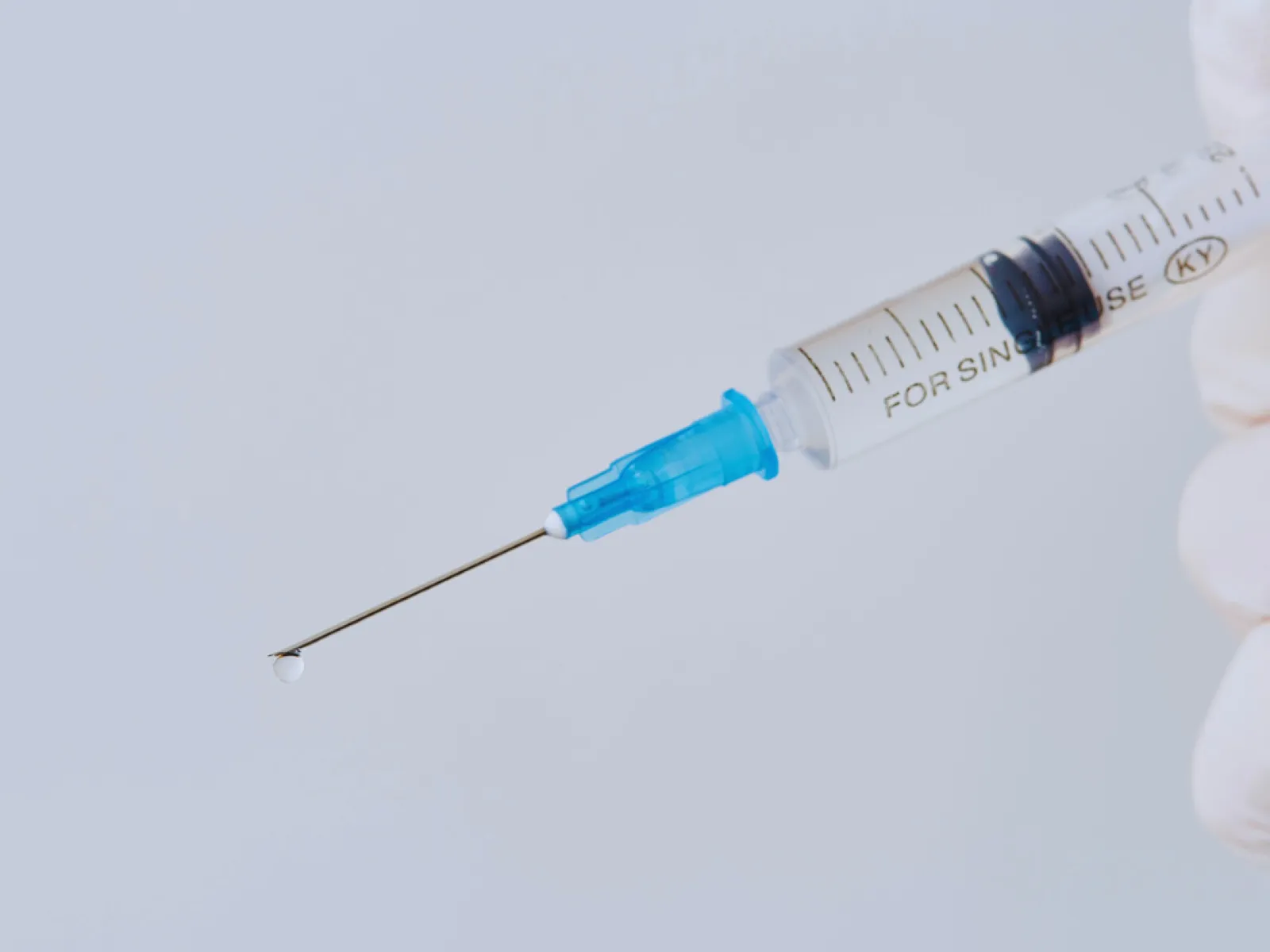
Androgen Deprivation Therapy in Atlanta
Atlanta Prostate Center's urologists use Androgen Deprivation Therapy (ADT) to reduce hormone levels that fuel prostate cancer growth, used alone or as part of a treatment plan.

What Is Androgen Deprivation Therapy?
Androgen Deprivation Therapy (ADT) is a hormone therapy for prostate cancer that works by reducing the levels of androgens, primarily testosterone, in the body. Prostate cancer cells rely on testosterone to grow and spread. By lowering androgen levels, ADT slows or stops cancer growth and can shrink tumors that have already developed.
ADT is used in several different ways depending on your diagnosis, including as a standalone treatment, in combination with radiation therapy, or alongside other treatments for intermediate and high-risk prostate cancer.
At Atlanta Prostate Center, our staff develops individualized ADT treatment plans based on your PSA levels, cancer stage, Gleason score, and overall health. Whether used alone or as part of a broader prostate cancer treatment plan, ADT is a proven, well-established option for managing prostate cancer at multiple stages of the disease.
How Does Androgen Deprivation Therapy Work?
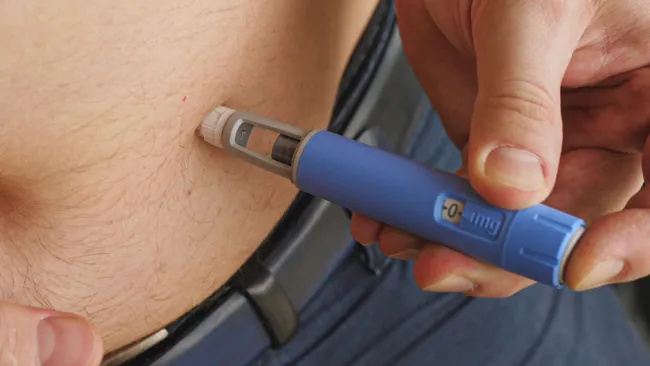
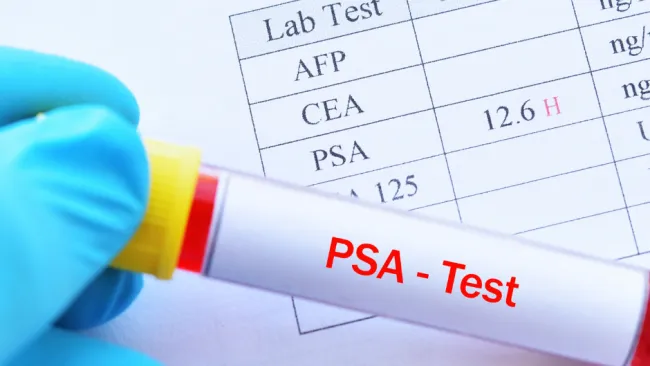
ADT works by cutting off the supply of testosterone that prostate cancer cells need to grow. Here is what you can expect throughout the ADT treatment process.



Who Is a Candidate for Androgen Deprivation Therapy?
Have locally advanced prostate cancer that has grown beyond the prostate gland
Have metastatic prostate cancer that has spread to lymph nodes, bones, or other organs
Are receiving radiation therapy for intermediate or high-risk prostate cancer and need ADT to improve treatment effectiveness
Have experienced a rise in PSA levels following surgery or radiation, indicating a recurrence
Are not yet candidates for surgery or radiation and need a treatment to slow cancer growth
Prefer a non-surgical approach to managing prostate cancer as part of a long-term treatment plan





What Are the Side Effects of Androgen Deprivation Therapy?
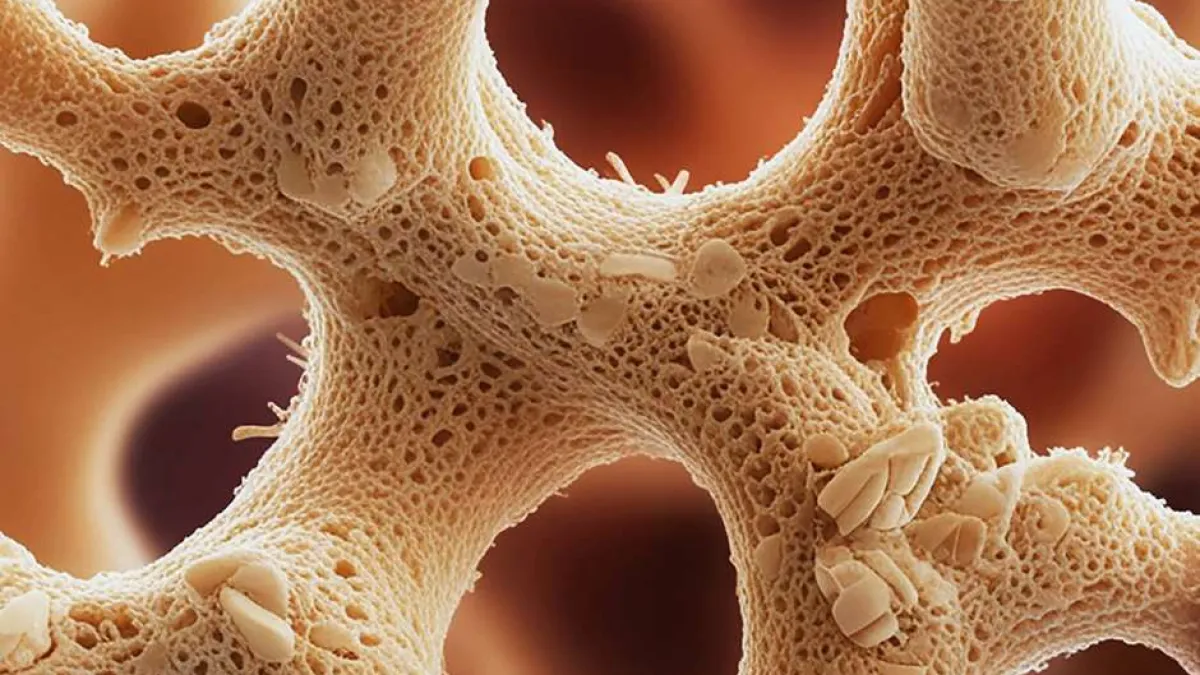
Because ADT works by significantly reducing testosterone levels, it can affect several areas of the body beyond the prostate. Understanding the potential side effects of hormone therapy for prostate cancer helps you know what to expect and how to manage them throughout treatment.
Frequently Asked Questions About ADT
What Is Androgen Deprivation Therapy Used For?
Androgen deprivation therapy (ADT) is used to treat prostate cancer by lowering testosterone levels in the body. Since prostate cancer cells rely on testosterone to grow and spread, reducing it can slow or shrink the cancer. ADT is commonly used for advanced or recurrent prostate cancer and is often combined with radiation therapy to improve outcomes.
How Long Does Androgen Deprivation Therapy (ADT) Work?
ADT can keep prostate cancer under control for several years, but results vary by individual and cancer risk level. Most benefits occur within the first 9 to 12 months, with treatment duration typically ranging from 6 months to several years, depending on risk. Regular PSA testing helps determine how well it continues to work for you.
What Are the Side Effects of ADT?
ADT can cause a range of side effects due to reduced testosterone levels. The most common include hot flashes, loss of libido, and erectile dysfunction. Men may also experience fatigue, weight gain, loss of muscle mass, and mood changes such as depression or anxiety. Long-term use can lead to bone density loss (increasing fracture risk), increased risk of diabetes, high cholesterol, and cardiovascular disease. Less commonly, some men notice breast tissue growth (gynecomastia) and cognitive changes.
How Long Can a Man Stay on Hormone Therapy for Prostate Cancer?
There is no fixed time limit. How long a man stays on hormone therapy depends on his individual situation. Some men with advanced prostate cancer may remain on it continuously for many years, while others use it for a short term (6 to 18 months) alongside radiation therapy. In some cases, doctors recommend intermittent therapy, where treatment is paused and restarted as needed to reduce side effects. Ultimately, the duration is guided by how well the cancer is responding, PSA levels, overall health, and quality of life. Your doctor will regularly monitor your progress to determine the best course of action.