
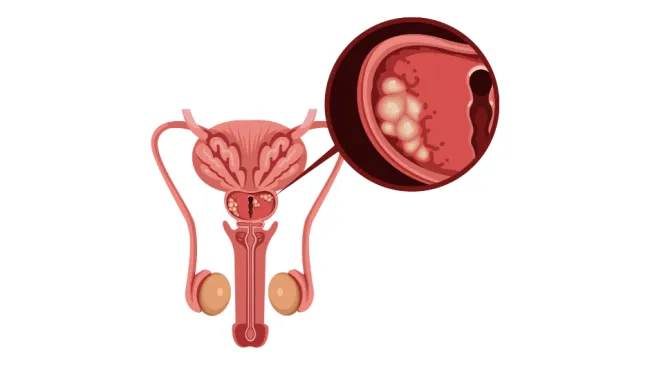
HIFU is best suited for men with localized prostate cancer who meet specific clinical criteria. Our specialists will review your full diagnostic profile to determine whether HIFU prostate cancer treatment is the right option for you. Ideal candidates for HIFU include men who:

HIFU Treatment in Atlanta
Atlanta Prostate Center's board-certified urologists offer HIFU as a precise, minimally invasive treatment for localized prostate cancer.
What is HIFU Treatment?
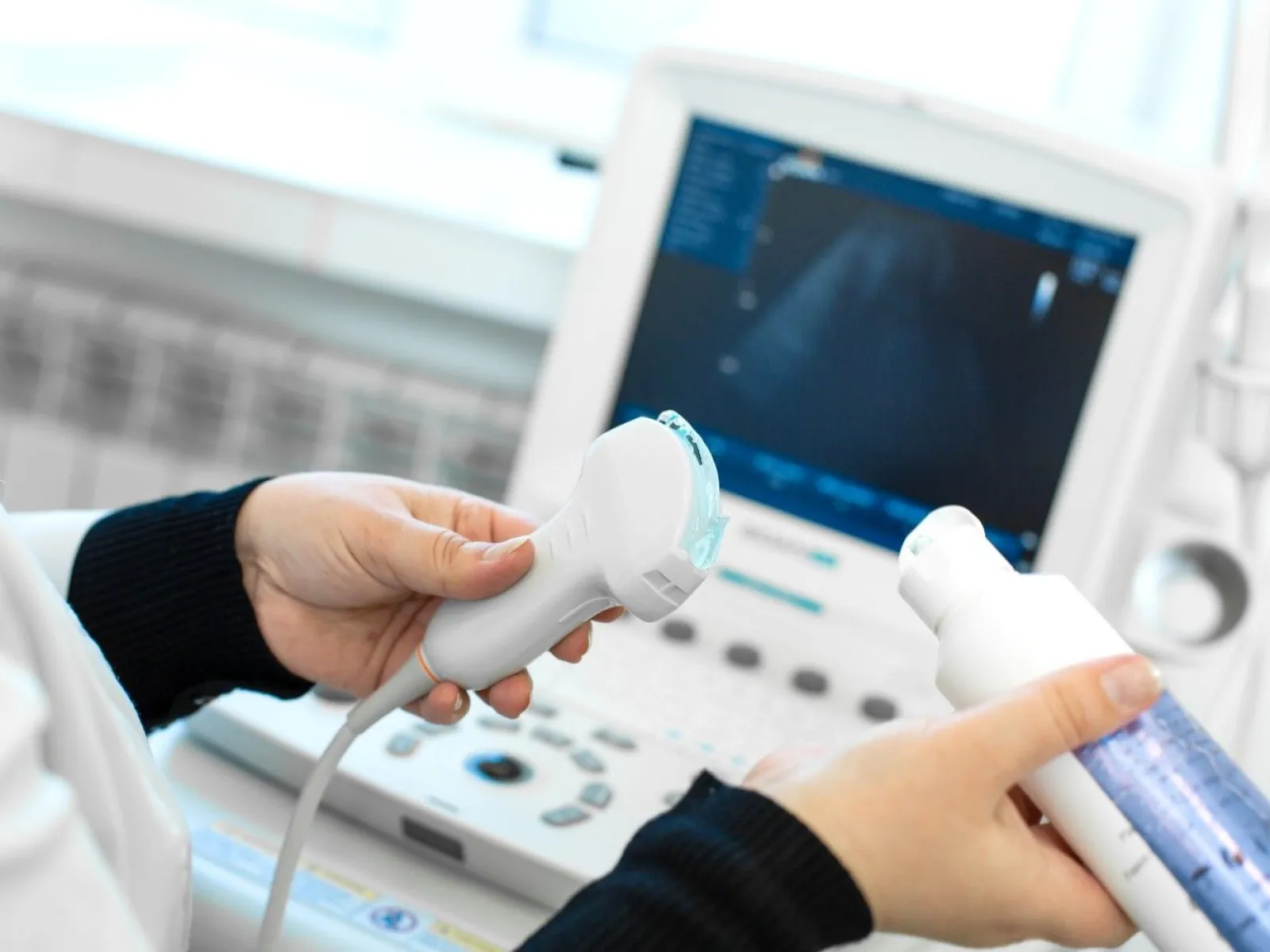
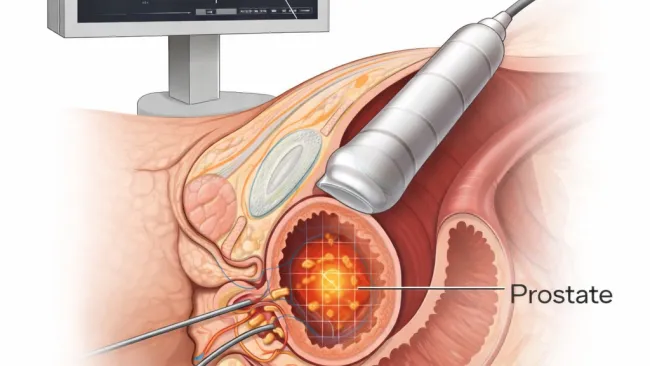
High-Intensity Focused Ultrasound (HIFU) is an advanced, non-surgical treatment for localized prostate cancer. HIFU directs precise beams of focused ultrasound energy directly at cancerous tissue in the prostate, generating heat that destroys cancer cells while leaving surrounding healthy tissue and nerves intact.
The procedure requires no incisions, no radioactive materials, and no extended hospital stay. It is performed on an outpatient basis at our state-of-the-art surgery centers, and most patients return home the same day.
How Does HIFU Treatment for Prostate Cancer Work?
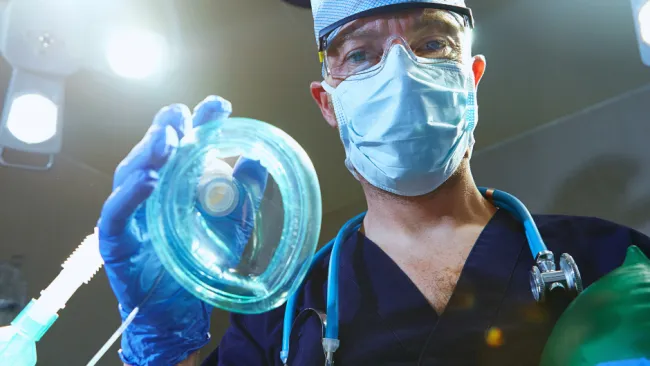
The HIFU procedure for prostate cancer is performed on an outpatient basis and completed in a single visit. Here is what you can expect from start to finish.


Who Is a Candidate for HIFU?
Have a Gleason score of 6 or 7 (low to intermediate risk prostate cancer)
Have 6 or fewer positive biopsy cores
Have a prostate volume of 60 grams or less
Have a PSA level below 15
Have cancer that is confirmed to be confined to the prostate gland
Prefer a minimally invasive, outpatient treatment with a fast recovery
HIFU Side Effects
One of the most significant advantages of HIFU for prostate cancer is its limited side effects. Because the focused ultrasound energy targets only the cancerous tissue, damage to surrounding healthy structures is minimized.
Most side effects of HIFU prostate cancer treatment are temporary, lasting approximately seven days, and are generally manageable with oral medications prescribed by your care team.
Common side effects include:
- Mild discomfort in the prostate area in the days following the procedure
- Blood in the urine, which is temporary and typically resolves within a week
Serious complications are uncommon. Compared to surgery or radiation, HIFU treatment for prostate cancer carries significantly lower rates of long-term urinary incontinence and sexual dysfunction, making it one of the most well-tolerated treatment options available for localized prostate cancer.
Frequently Asked Questions About HIFU
How Long Does It Take to See Results After HIFU?
PSA levels are typically monitored starting around 6 weeks after the procedure. Most men reach their lowest PSA level within 3 to 6 months following treatment. It is normal for PSA to temporarily rise immediately after HIFU due to inflammation, but levels should steadily decline and stabilize within about six months. Your care team will track your PSA at regular intervals to confirm the treatment is working.
How Successful Is HIFU for Prostate Cancer?
HIFU has strong outcomes for men with localized prostate cancer. Studies show overall survival rates exceeding 96% and cancer-specific survival of 100% at 7 years for appropriately selected patients. Results are comparable to surgery, with the added benefit of fewer long-term side effects. Success depends on factors such as cancer stage, Gleason score, and PSA levels, which is why a thorough evaluation is essential before treatment.
Can HIFU Be Repeated If Prostate Cancer Returns?
Yes, one of the advantages of HIFU is that it can be repeated if needed. If cancer returns or the initial treatment does not achieve a complete response, a second HIFU procedure is an option for many patients. About 1 in 5 men may need a repeat treatment within 3 to 5 years, and the second procedure is successful in the majority of cases. Other treatments, such as surgery or radiation, also remain available after HIFU if necessary.
How Quickly Can You Return to Normal Activities After HIFU?
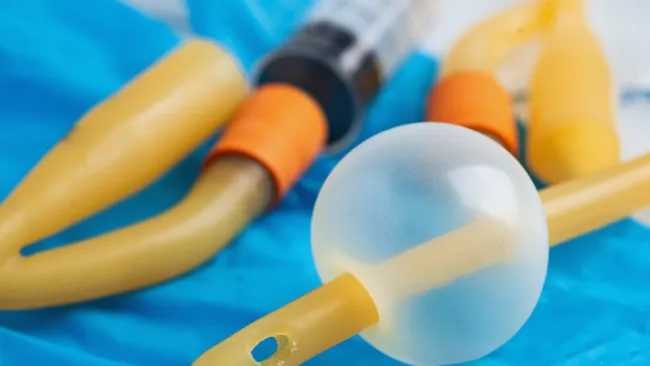
Most men recover quickly after HIFU. The procedure is performed on an outpatient basis, so you go home the same day. A temporary catheter may be in place for a short period to assist with urination, but most patients are back to their normal routine within a few days. Because HIFU is minimally invasive with no incisions, recovery is significantly faster than surgery, making it a convenient option for men who want effective treatment with minimal disruption to daily life.