
Brachytherapy is ideal for men with early-stage prostate cancer that is less likely to spread beyond the prostate. It may also be combined with other treatments for intermediate or high-risk cases. Final recommendations depend on your PSA, biopsy results, imaging, prostate size, urinary symptoms, and overall health.

Brachytherapy for Prostate Cancer in Atlanta
Our board-certified urologists offer low-dose brachytherapy as part of a personalized prostate cancer treatment plan tailored to your diagnosis and goals.

What Is Brachytherapy for Prostate Cancer?
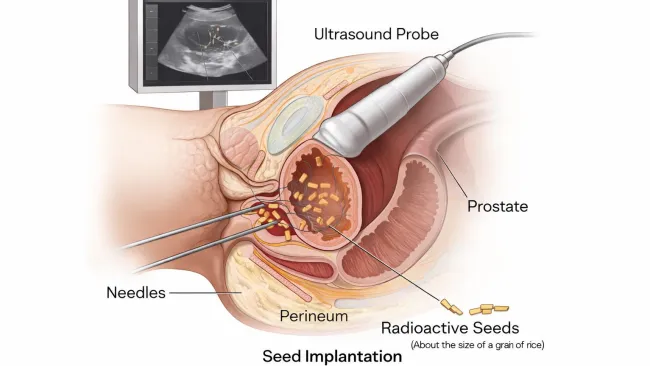
Brachytherapy for prostate cancer involves the insertion of tiny radioactive seeds, each about the size of a sesame seed, directly into the prostate gland. The seeds used in low-dose-rate (LDR) brachytherapy contain a radioactive isotope called Palladium-103. Once implanted, the seeds emit a continuous low dose of radiation over several weeks, targeting cancer cells while minimizing damage to surrounding healthy tissue. Eventually, the seeds stop delivering radiation, and they remain in the prostate for life.
LDR prostate brachytherapy is a well-established radiation therapy for prostate cancer, with long-term cancer control reported across numerous clinical studies. When performed with intraoperative real-time adaptive planning, LDR brachytherapy delivers millimeter-level precision, allowing your physician to sculpt the radiation dose to your specific anatomy. This approach also allows the dose to be escalated to areas of concern while keeping radiation exposure to surrounding healthy tissue to a minimum.
For men with localized prostate cancer, prostate seed implant therapy offers an effective, minimally invasive alternative to surgery, with a recovery time that allows most patients to return to normal activities within days.
How Does Brachytherapy Work?
The low-dose brachytherapy procedure is straightforward, minimally invasive, and completed in a single outpatient visit. Here is what you can expect from start to finish.




Who Is a Candidate for Brachytherapy?
Have early-stage, localized prostate cancer confined to the prostate gland
Have a prostate size and urinary function suitable for seed implantation
Prefer a minimally invasive outpatient procedure with a fast recovery
Have a PSA level and Gleason score consistent with low to intermediate risk disease
Have intermediate or high-risk prostate cancer and are combining brachytherapy with other treatments
Want to preserve urinary and sexual function while receiving effective radiation therapy


Brachytherapy Side Effects
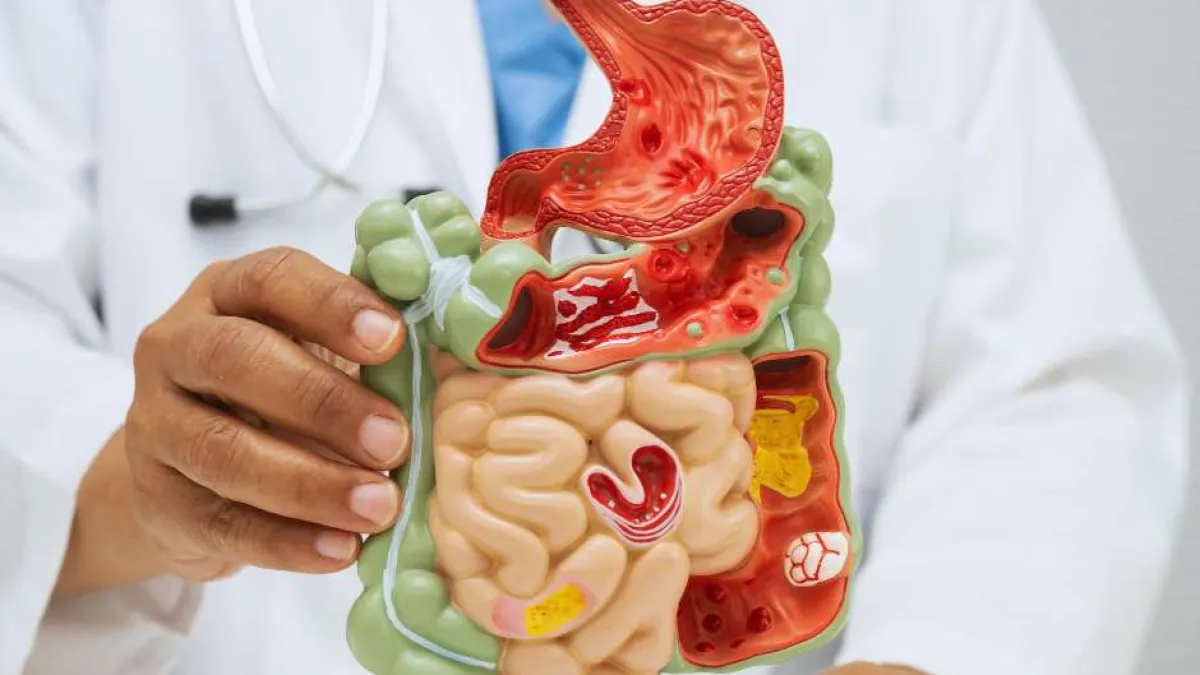
One of the most significant advantages of modern LDR brachytherapy is its mild side effects. Compared to many conventional prostate cancer treatments, LDR brachytherapy has lower rates of sexual, urinary, and gastrointestinal side effects. That said, some temporary side effects are normal as your body adjusts following the prostate seed implant procedure.
Frequently Asked Questions About Brachytherapy
How Long Does Brachytherapy Radiation Last?
The radioactive seeds begin working immediately after implantation and release most of their radiation within the first three months. After around 8 to 10 months, nearly all of the radiation has been delivered. The seeds remain in the prostate permanently but are harmless once their radioactivity has fully decayed.
How Successful Is Brachytherapy for Prostate Cancer?
Brachytherapy has strong long-term outcomes for men with localized prostate cancer. Studies show survival rates comparable to surgery, with the added benefit of fewer complications. Success depends on factors such as cancer stage, PSA levels, and Gleason score, which is why your care team will carefully evaluate whether brachytherapy is the right fit for you.
Will the Radioactive Seeds Harm People Around Me?
The radiation emitted by the seeds is of very low energy and travels only a few millimeters beyond the prostate, making it unlikely to affect those around you. However, as a precaution, doctors typically advise limiting prolonged close contact with pregnant women and young children for the first couple of months after the procedure. Your care team will provide specific guidance based on your individual treatment.
Can Brachytherapy Be Repeated If Prostate Cancer Returns?
In some cases, yes. If cancer returns after brachytherapy, additional treatment options may be available, including repeat brachytherapy, HIFU, or hormone therapy, depending on where and how the cancer has recurred. Your doctor will evaluate your PSA levels and overall health to determine the best next step.