
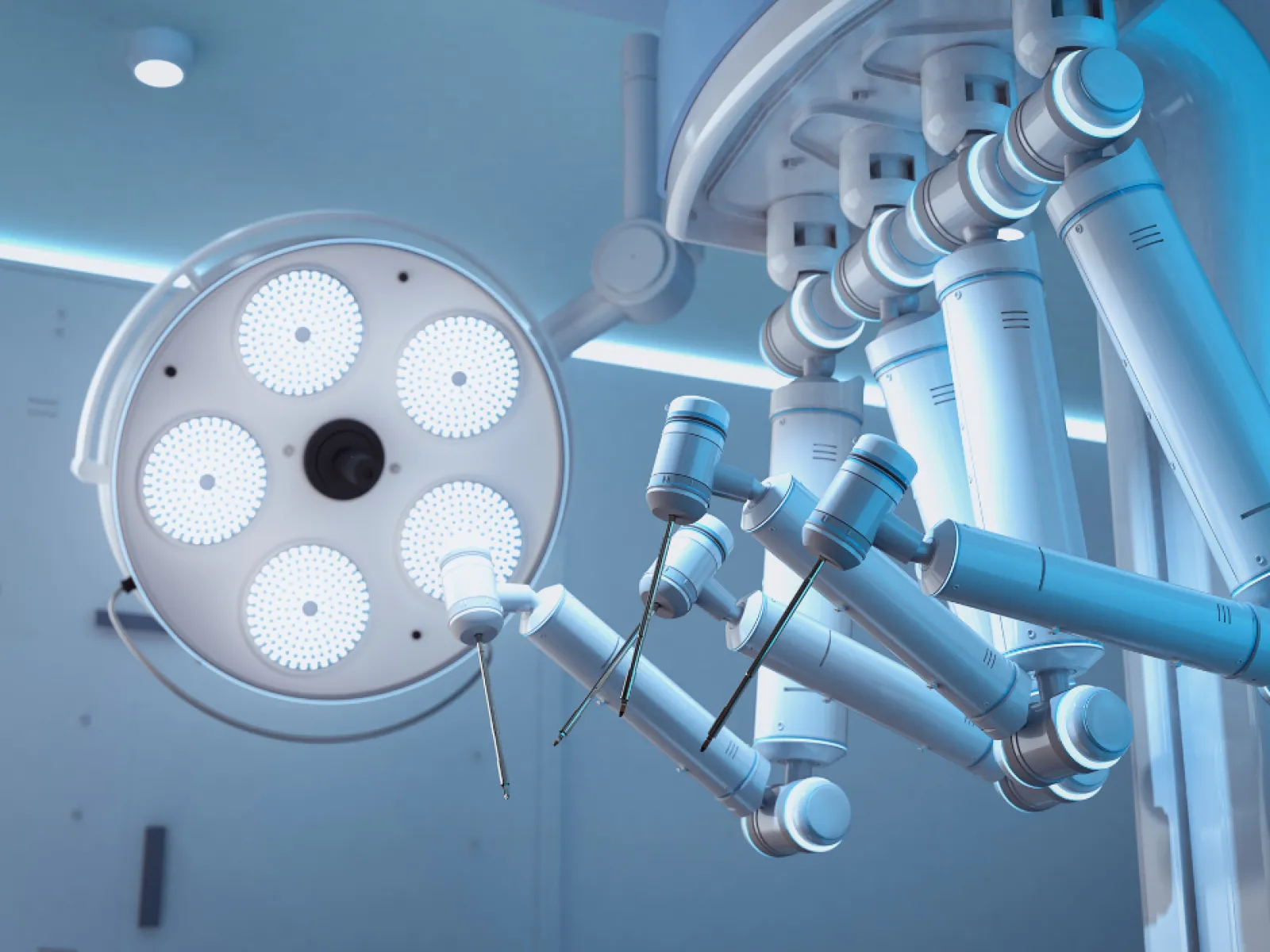
Robotic Prostatectomy in Atlanta
Our board-certified urologists perform robotic-assisted prostatectomy with precision technology designed to remove the prostate while preserving urinary and sexual function.
What Is a Robotic Prostatectomy?
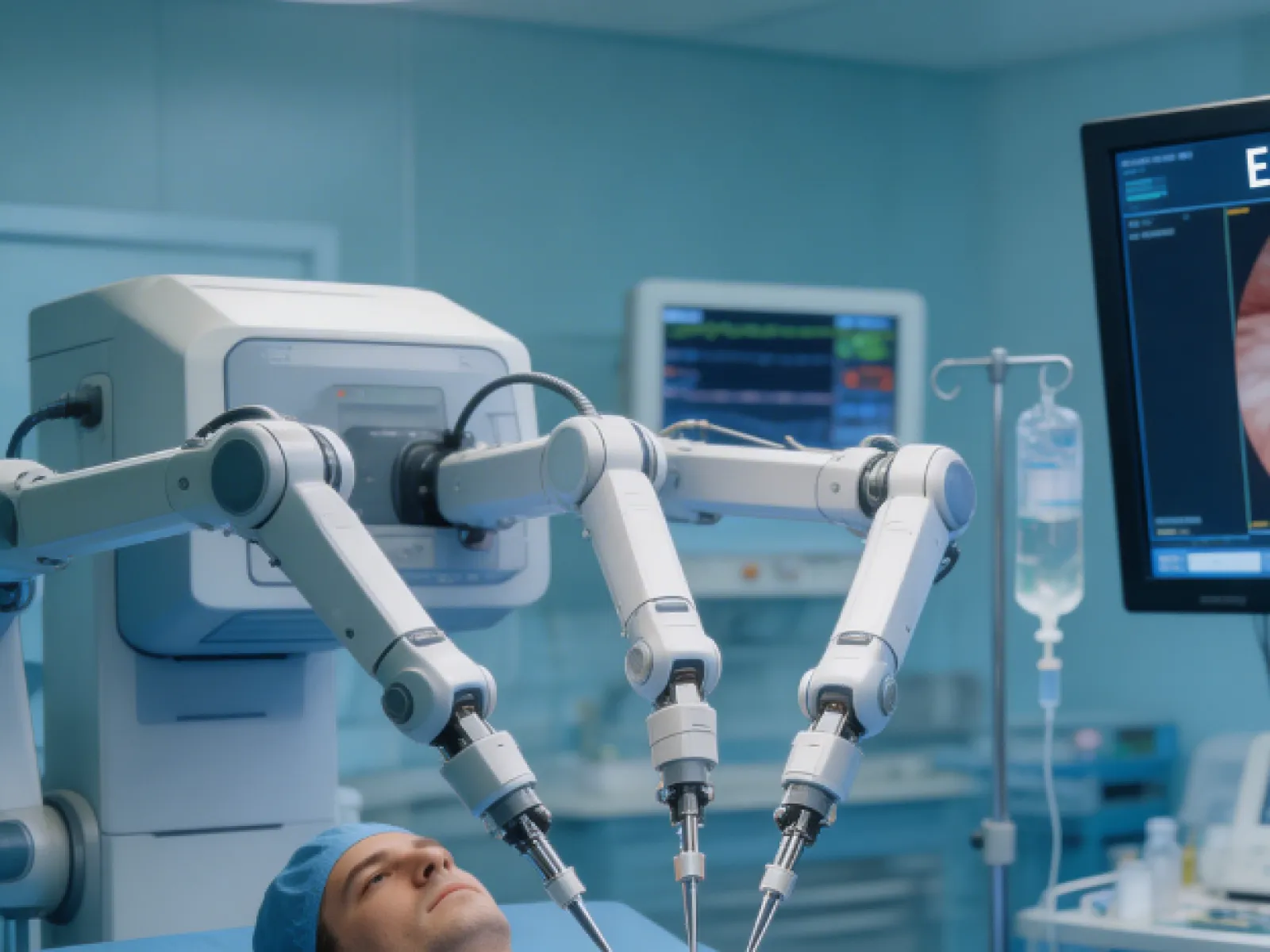
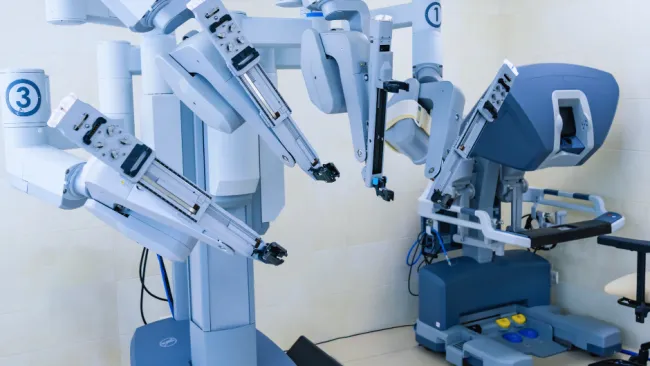
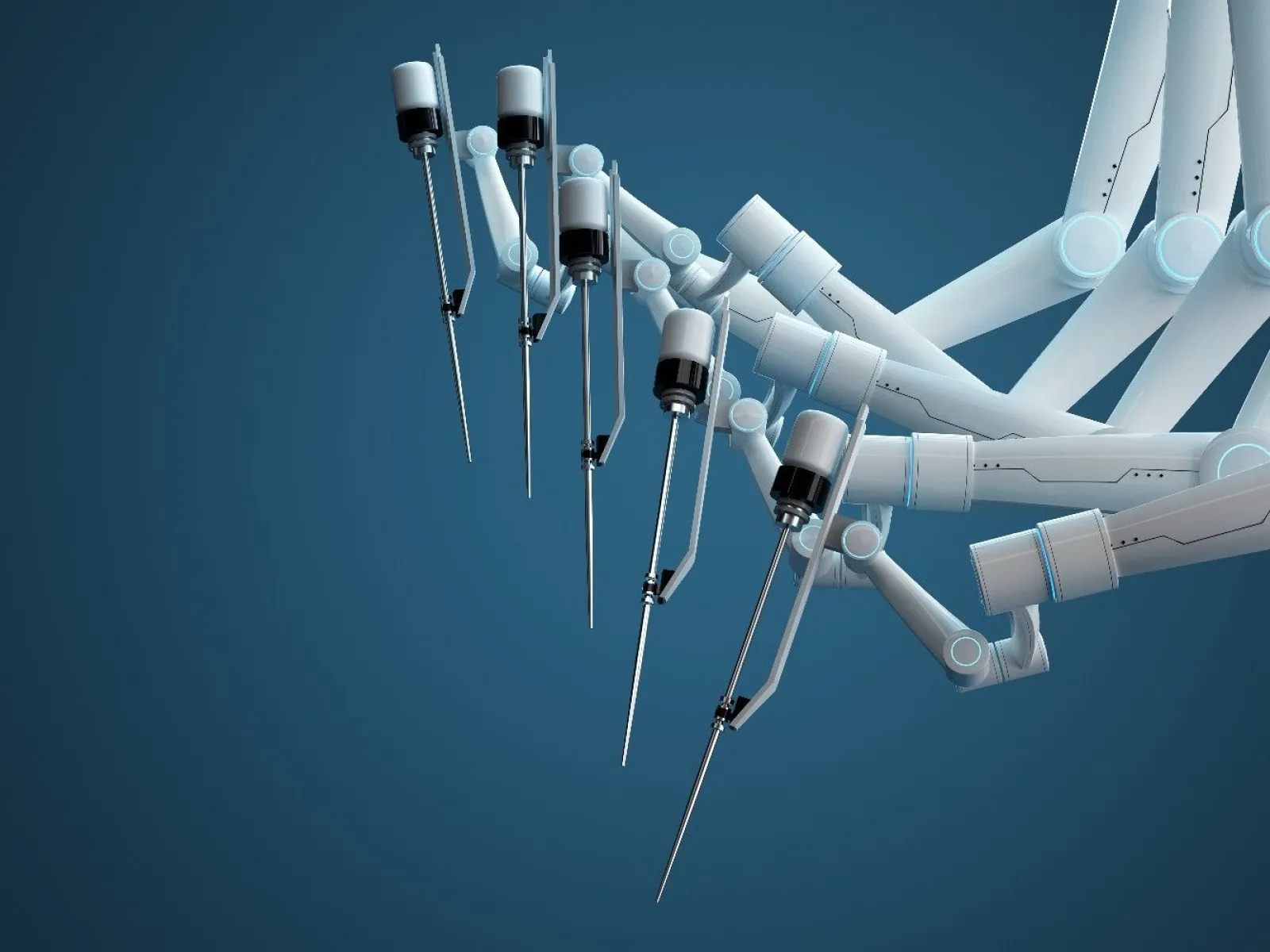
A robotic prostatectomy is a minimally invasive surgical procedure to remove the prostate gland as a treatment for prostate cancer. Using a robotic-assisted surgical system, your surgeon controls highly precise robotic arms equipped with miniaturized surgical instruments and a high-definition camera, allowing for greater accuracy than traditional open surgery.
At Atlanta Prostate Center, our urologists perform robotic radical prostatectomy with a focus on nerve-sparing technique, which is designed to protect the nerves responsible for urinary continence and sexual function. Every robotic prostatectomy is tailored to the patient's anatomy and the extent of their cancer to achieve the best possible outcome.
How Does Robotic Prostatectomy Work?
The robotic prostatectomy procedure typically takes one to two hours, and most patients go home within 24 hours. Here is what you can expect from start to finish.




Who Is a Candidate for Robotic Prostatectomy?
Have prostate cancer that is confirmed to be confined to the prostate gland
Have localized or locally advanced prostate cancer requiring surgical treatment
Are in good overall health and are suitable candidates for general anesthesia
Prefer a definitive surgical treatment over radiation or other non-surgical options
Have had a previous prostate cancer treatment that was unsuccessful
Want a minimally invasive approach with a shorter recovery time compared to open prostate surgery
Benefits of Robotic Prostatectomy
Robotic prostate surgery offers significant advantages over traditional open prostatectomy, making it the preferred surgical approach for prostate cancer at Atlanta Prostate Center.

Minimally Invasive
Robotic prostatectomy is performed through several small incisions rather than a single large opening, resulting in less trauma to the body, reduced blood loss, and minimal scarring compared to open prostate surgery.

Greater Surgical Precision
The robotic surgical system provides your surgeon with enhanced visualization and precise control that goes beyond what is possible with the human hand alone. This level of accuracy is critical when operating near delicate nerves and structures.

Nerve-Sparing Technique
Our surgeons use a nerve-sparing approach wherever possible, protecting the nerves responsible for urinary continence and sexual function. This is one of the most important benefits of robotic prostate surgery compared to traditional open surgery.

Lower Risk of Complications
The precision of robotic-assisted prostatectomy reduces the risk of surgical complications, including infection, excessive bleeding, and damage to surrounding structures.
Frequently Asked Questions About Robotic Prostatectomy
How Successful Is Robotic Prostatectomy for Prostate Cancer?
Robotic prostatectomy has excellent long-term outcomes for men with localized prostate cancer. Studies show cancer-specific survival rates approaching 95% at 15 years, with very low recurrence rates for organ-confined disease. More than 90% of patients also regain urinary continence within six months of surgery. Success depends on factors such as cancer stage, Gleason score, and the experience of the surgical team, which is why choosing a skilled, high-volume surgeon is one of the most important decisions you can make.
How Long Does the Catheter Stay In After Robotic Prostatectomy?
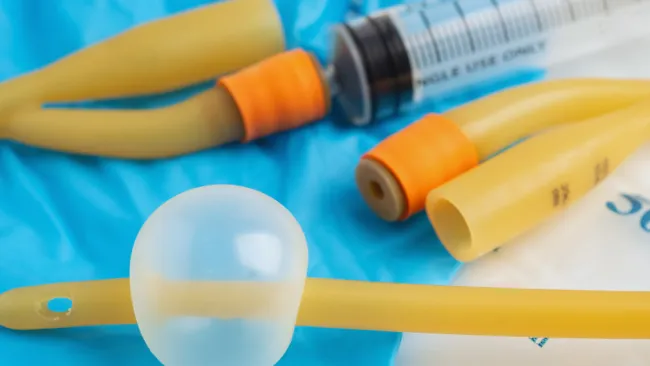
Following robotic prostatectomy, a urinary catheter is placed to allow the connection between the bladder and urethra to heal properly. Most patients have the catheter removed within 7 to 10 days after surgery. Your care team will provide detailed instructions on how to manage it at home during this period, and removal is typically a straightforward process.
Will Robotic Prostatectomy Affect My Urinary Control?
Some urinary leakage after robotic prostatectomy is normal and expected, particularly in the weeks following catheter removal. Most men see significant improvement within a few months, and studies show that over 90% of patients regain full urinary continence within six months of surgery. Recovery varies by age, overall health, and surgical technique. Pelvic floor exercises before and after surgery can help speed up the process. Your care team will guide you through what to expect and how to manage any temporary changes during recovery.