
A transperineal prostate biopsy may be recommended for any man who needs prostate tissue sampled for diagnosis or monitoring. Your doctor may suggest this procedure if you:

Transperineal Prostate Biopsy in Atlanta
Our board-certified urologists specialize in MRI/ultrasound-guided transperineal prostate biopsy, delivering the most accurate prostate cancer diagnosis available.

What Is a Transperineal Prostate Biopsy?
A transperineal prostate biopsy is a minimally invasive procedure used to diagnose prostate cancer by collecting small tissue samples from the prostate gland. Unlike the traditional transrectal approach, the transperineal technique accesses the prostate through the perineum, the area of skin between the scrotum and rectum, significantly reducing the risk of infection and improving accuracy.
At Atlanta Prostate Center, we perform MRI/ultrasound-guided transperineal prostate biopsy, which combines real-time ultrasound imaging with pre-procedure MRI scans to precisely target suspicious areas of the prostate. This MRI fusion approach means fewer missed cancers, fewer unnecessary repeat biopsies, and greater confidence in your diagnosis.
How a Transperineal Prostate Biopsy Works
Understanding what happens before, during, and after your biopsy can help ease anxiety and prepare you for a smooth experience.



Who Is a Candidate for Transperineal Prostate Biopsy?
Have an elevated or rising PSA level
Have abnormal findings on a digital rectal exam
Have suspicious areas identified on a prostate MRI
Had a previous negative biopsy but PSA levels remain a concern
Are currently on active surveillance and need periodic monitoring
Are at higher risk for infection and need a safer alternative to the transrectal approach
The Benefits of MRI-Guided Prostate Biopsy
A standard biopsy takes random tissue samples from the prostate, which means suspicious areas can be missed entirely. MRI/ultrasound-guided biopsy changes that.
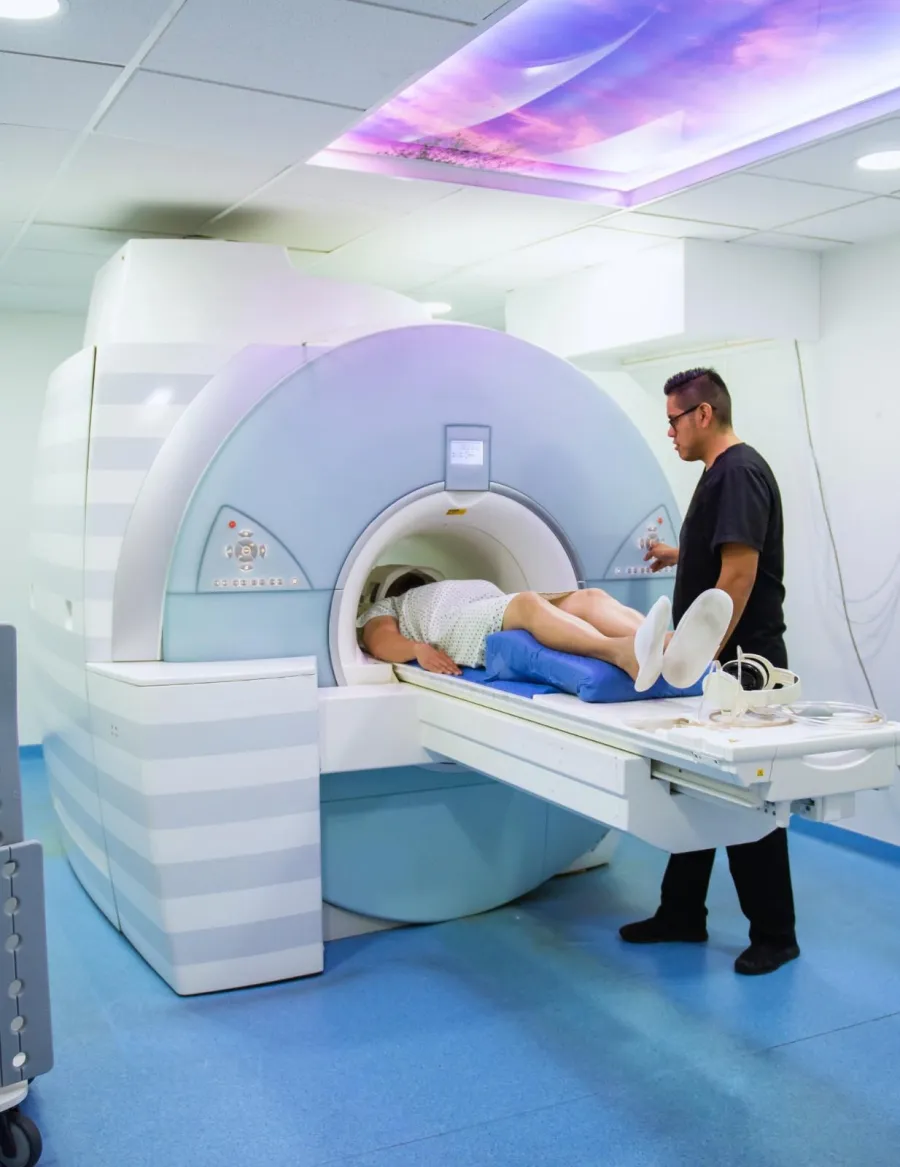
At Atlanta Prostate Center, we use MRI fusion prostate biopsy technology, which overlays a pre-procedure MRI with real-time ultrasound imaging to create a precise, three-dimensional map of the prostate. This allows our physicians to see exactly where suspicious tissue is located and target those areas directly during the biopsy. The benefits of MRI-guided prostate biopsy include:

Greater accuracy
Suspicious areas identified on MRI are targeted precisely, reducing the chance of a missed diagnosis

Fewer samples needed
Targeted sampling means less tissue removed and less discomfort

Fewer repeat biopsies
More accurate results mean fewer patients need to undergo a second procedure

Earlier detection
Clinically significant cancers are more likely to be identified at an earlier, more treatable stage
Frequently Asked Questions About Transperineal Prostate Biopsy
Is a Transperineal Prostate Biopsy Painful?
Most patients tolerate the procedure well. A local anesthetic or sedation is used to keep you comfortable, so discomfort during the biopsy is generally minimal. Some men experience mild soreness or bruising in the perineal area for a few days afterward, but this typically resolves quickly on its own. Many patients describe the procedure as tolerable, and most are back to normal activities within a day or two.
How Accurate Is a Transperineal Prostate Biopsy?
Transperineal biopsy, especially when combined with MRI/ultrasound fusion guidance, is one of the most accurate methods available for detecting prostate cancer. By overlaying pre-procedure MRI images with real-time ultrasound, your physician can precisely target suspicious areas of the prostate rather than taking random samples. This significantly reduces the chance of a missed diagnosis and means fewer men need to undergo repeat biopsies.
How Long Does It Take to Get Biopsy Results?
Your tissue samples are sent to a pathology lab immediately after the procedure. Results are typically available within 5 to 10 days, though timing can vary. Your care team will contact you to walk through the findings in detail and discuss any recommended next steps based on your results.
What Is the Difference Between a Transperineal and Transrectal Biopsy?
Both procedures collect tissue samples from the prostate, but they differ in how the needle is inserted. A transrectal biopsy passes the needle through the rectal wall, which carries a higher risk of infection. A transperineal biopsy inserts the needle through the perineal skin, bypassing the rectum entirely and significantly reducing infection risk. The transperineal approach also provides better access to certain areas of the prostate, making it a more thorough and safer option for most patients.